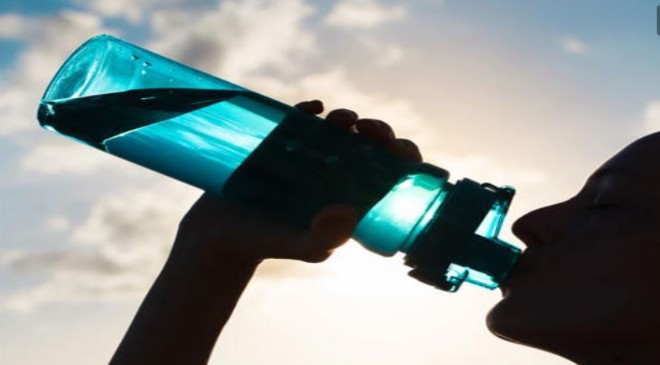
We’re constantly told to drink more water, and for good reason, because staying hydrated matters. However, it’s not something many people think would be possible: consuming too much water. Even something as innocent as water can create serious issues when it’s overused. But it does happen, and it is rare, but not uncommon, among some groups. So what happens if you drink too much, and how do you know where the line is? Read on to know what a dietitian has to say.
Can You Really Drink Too Much Water?
Yes, surprisingly. “Drinking enough water is important for good health, but drinking too much water in a short period or consistently drinking far beyond the body’s needs can be harmful,” explains Edwina Raj, Head of Services, Clinical Nutrition & Dietetics, Aster CMI Hospital, Bangalore.
The core issue comes down to sodium. Too much water may cause sodium levels in the blood to become too low, also called hyponatremia, or water intoxication. According to StatPearls, this condition is the most common electrolyte imbalance seen in hospitals, affecting between 20% and 35% of hospitalised patients. It happens when the body holds onto too much water compared to sodium, causing sodium levels in the blood to drop below normal. Common causes include excessive fluid intake, certain medications, vomiting, diarrhoea, and conditions like heart or liver disease.
“Sodium is important for helping balance fluids in and out of the cells of the body,” says Edwina Raj. If the sodium concentration is low, water will begin to enter the cells, resulting in the cells swelling. This can be especially harmful when occurring in the brain.
What Happens If You Drink Too Much Water?
Symptoms tend to build gradually, starting mild and potentially escalating if the overhydration continues. Edwina Raj outlines the early warning signs to watch for:
- Nausea
- Headache
- Bloating
- Unusual tiredness
- Frequent urination
- Confusion
If it progresses further, the situation can turn serious. Edwina Raj warns that severe cases may lead to:
- Vomiting
- Muscle cramps
- Difficulty speaking
- Seizures
- Unconsciousness
In rare cases, she notes, it can even become life-threatening. This isn’t meant to cause alarm, since it’s genuinely uncommon in everyday life, but it’s important to know these symptoms exist and shouldn’t be ignored.
Certain groups face a higher risk of developing water intoxication, according to Edwina Raj, including:
- People participating in endurance sports
- Those with kidney disease
- Individuals with heart failure
- People with liver disease
Those with certain hormonal disorders
How Should You Keep a Check on Your Water Intake?
The simplest approach, according to Edwina Raj, is to let your body guide you. “One effective method to stay hydrated is to drink when thirsty, not when you are feeling compelled to take in lots of water,” she notes.
In general, there is no evidence that healthy adults who consume a balanced diet and aren’t losing an excessive amount of fluid (i.e., through heavy sweating) require more water than they consume themselves. Typically, thirst is a good indicator.
Another simple and practical check is the colour of the urine. Edwina Raj says pale yellow urine means you’re well hydrated, whereas urine that remains clear for the whole day could mean that you’re having too much fluid.
There’s one more important point worth remembering: water alone isn’t always enough. Edwina Raj advises replacing electrolytes, particularly after prolonged exercise or heavy sweating, rather than relying solely on plain water. Sweat carries out sodium and other minerals, and replacing only the water without the electrolytes can actually contribute to the imbalance described earlier.
When Should You See a Doctor?
Most people never need to worry about this, but knowing the warning signs matters, especially for those in higher-risk groups. Edwina Raj advises seeking medical attention if you develop any of the following after drinking large amounts of water:
- Severe headache
- Confusion
- Repeated vomiting
- Extreme drowsiness
- Seizures
- Breathing difficulty
- Loss of consciousness
She also points out a couple of more indicators for individuals with current health problems. For kidney disease patients, heart disease patients, and people taking drugs that affect fluid balance, if you see swelling, sudden weight gain, or if it’s happening all the time, please consult your doctor.
Conclusion
Water is essential, but as in most things, it’s the balance that is more important than the quantity. If you follow simple guidelines, you will be able to drink the appropriate amount of water for your body, which will help you stay healthy. Instead of aiming for a specific amount of drinks per day, try to listen to your body, monitor the colour of your urine, and replenish electrolytes when you are highly active and sweating. For most people, it’s the only thing that is truly required for proper and safe hydration.
Source : MSN