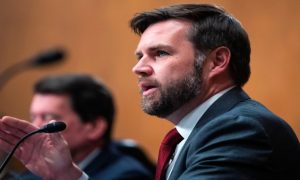
India, Nov. 13 — United States Vice President JD Vance is seriously considering stepping away from a 2028 presidential bid in the wake of the Republican Party’s bruising losses in the recent midterm elections, according to reports citing multiple close advisers.
Long positioned as the presumptive frontrunner to succeed US President Donald Trump, the vice president has found himself wrestling with his political ambitions as the fallout from an increasingly unpopular military conflict in the Middle East reshapes the national landscape.
Interviews with roughly a dozen aides reveal deep-seated anxieties over whether the Trump administration’s foreign policy trajectory leaves any viable path for a Republican candidate to reclaim the White House in two years’ time.
Why Are Midterm Reverses Prompting Reconsiderations?
The catalyst for the sudden reassessment stems directly from the sweeping electoral defeats suffered by Republicans during the midterm cycle, which handed congressional majorities back to the Democrats. The electoral rout ignited fierce internal recriminations within the conservative coalition, prompting public finger-pointing over party strategy and executive decision-making.
Following the disappointing ballot results, Vance published a lengthy public statement directly identifying the ongoing military campaign against Iran as the primary driver behind the voter backlash.
“The real reason we lost is the war,” Vance stated on social media, sparking immediate friction within the executive branch and drawing private irritation from US President Donald Trump, who defended the military actions as necessary.
How Has Conflict With Iran Complicated Future Prospects?
Behind closed doors, allies close to the vice-president have expressed profound pessimism regarding how prolonged foreign hostilities will influence public sentiment leading up to the next presidential cycle. Sources speaking anonymously noted that the central dilemma facing prospective candidates extends beyond individual popularity, focusing instead on structural voter alienation.
“The question is not whether JD can win,” one longtime adviser told reporters. “The question is whether any Republican can win at all if the war with Iran continues.” Compounding these political calculations are personal considerations, including family responsibilities following the birth of his fourth child earlier this year, leaving the vice president uncommitted to any definitive timeline for a 2028 campaign.
What Lies Ahead For The Post-Trump Republican Coalition?
As the administration attempts to recalibrate its domestic agenda, shifting administrative focus toward internal governance under newly elevated officials such as White House Chief of Staff Stephen Miller, the broader question of succession remains wide open. While potential Republican rivals such as Marco Rubio continue to navigate the shifting political currents, Vance’s public willingness to challenge prevailing orthodoxies highlights the deep strategic divisions confronting the conservative movement. Whether the US vice president ultimately chooses to press forward with a presidential campaign or step aside to allow a new generation of leadership to emerge will depend heavily on whether the administration can successfully disentangle itself from ongoing foreign policy liabilities before voters return to the polls.
Source : MSN