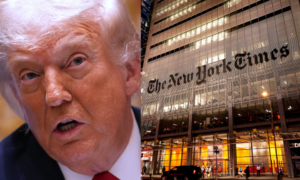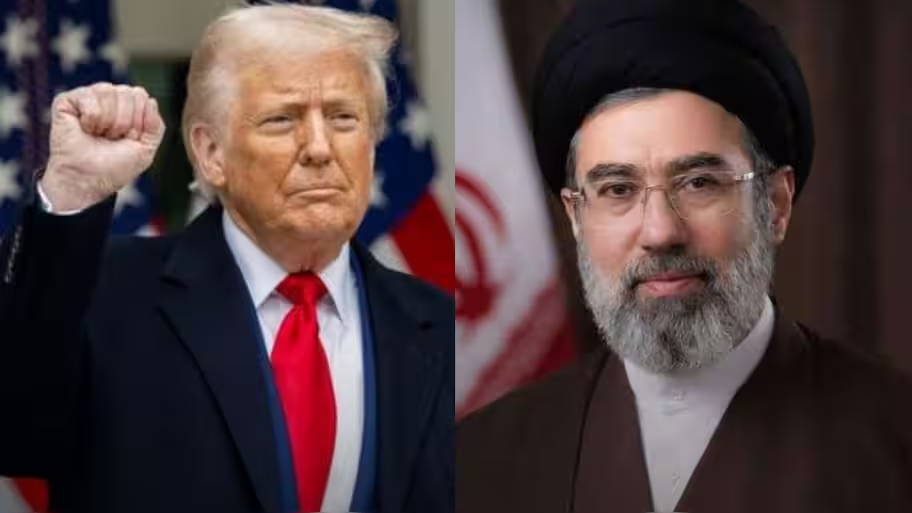
India, July 4 — US-Israel-Iran War Latest Update: The US-Iran war has entered a new phase, and fresh tensions have emerged between Israel and The New York Times after the US newspaper published a report alleging that American officials warned Iran about possible Israeli assassination plots targeting senior Iranian negotiators. The report claimed Washington feared Israeli operations could target Iranian Foreign Minister Abbas Araghchi and Parliament Speaker Mohammad Bagher Ghalibaf while indirect nuclear talks with the US were underway.
Israel has strongly rejected the allegations, calling the report fake and fabricated, while the NYT has defended its reporting, saying it is based on interviews with current and former US officials. The public dispute has added another layer of tension to the already fragile US-Israel-Iran relationship.
US-Israel-Iran War Latest Update: Israel Rejects Assassination Plot Report
A new diplomatic dispute has emerged between Israel and The New York Times after the newspaper published a report alleging that US officials warned Iran earlier this year about possible Israeli assassination plots targeting senior Iranian negotiators. The report claimed Washington feared Israel could target top Iranian leaders involved in indirect nuclear talks with the United States. Israel has strongly denied the allegations, calling the report “fake news” and “a complete fabrication of reality.”
Meanwhile, The New York Times has stood firmly by its reporting, saying it is based on interviews with multiple current and former US officials. The public exchange has once again drawn attention to the fragile relationship between Washington, Tehran and Tel Aviv as diplomatic efforts continue amid ongoing regional tensions.
US-Israel-Iran War Latest Update: Netanyahu Calls Assassination Plot Report Fake & Fabricated
Israel’s Prime Minister’s Office swiftly dismissed the allegations after the report was published.
In a statement posted on X, the office said, “As usual, The New York Times’ latest story about Israel and the Iranian negotiators is fake news. A complete fabrication of reality.”
The Israeli government rejected every aspect of the report and did not acknowledge any discussion regarding alleged plans targeting Iranian officials. The statement reflects Israel’s longstanding criticism of reports it believes misrepresent its security operations and foreign policy decisions.
US-Israel-Iran War Latest Update: What Did The NYT Report Claim?
According to The New York Times, citing multiple current and former US officials, American intelligence officials became concerned in April that Israel could attempt to assassinate senior Iranian leaders participating in indirect nuclear negotiations with Washington.
The report claimed the US quietly passed warnings to Tehran through regional intermediaries after assessing that Israeli military operations inside Iran might expand to include officials involved in diplomacy.
US officials reportedly feared that such an attack could derail negotiations and trigger another major escalation in the Middle East. Although the report cited unnamed officials familiar with the matter, neither the White House nor the US State Department has publicly confirmed the claims.
US-Israel-Iran War Latest Update: Which Iranian Leaders Were Targeted & Named?
The report identified two senior Iranian officials who were allegedly considered potential targets.
According to the report, both leaders were key members of Iran’s negotiating team during indirect talks over Tehran’s nuclear programme.
The report suggested US officials believed Israel viewed them as possible targets because of their senior positions within Iran’s leadership during a period of heightened military tensions.
US-Israel-Iran War Latest Update: NYT Refuses to Back Down, Supports US Officials
Following Israel’s denial, The New York Times publicly defended its reporting.
The newspaper responded on X, stating, “We stand by this fact-based reporting, which draws on interviews with current and former American officials. The Israeli Embassy in Washington declined to comment before publication.”
The publication maintained that its story was based on extensive reporting and interviews with officials familiar with the discussions.
The exchange has become a rare public confrontation between one of America’s leading newspapers and the Israeli government over national security reporting.
US-Israel-Iran War Latest Update: Claim About Ghalibaf’s Plane
One of the report’s most dramatic allegations involved Iranian Parliament Speaker Mohammad Bagher Ghalibaf. According to The New York Times, US officials believed Israel planned to target Ghalibaf’s aircraft while he was returning from Islamabad after diplomatic meetings.
The report claimed US authorities warned Tehran that Israeli fighter jets had entered Iranian airspace through Iraq and could attempt to intercept the aircraft.
Iranian officials reportedly informed Ghalibaf’s crew, prompting the aircraft to divert and land in Mashhad instead of continuing directly to Tehran. Israel has not specifically addressed this allegation and continues to reject the report in its entirety.
US-Israel-Iran War Latest Update: What Does This Mean for US-Iran Talks?
The controversy comes at a delicate time for diplomacy between Washington and Tehran.
If the report accurately reflects concerns within the US administration, it suggests American officials feared military action against Iranian negotiators could seriously undermine ongoing diplomatic efforts.
Although no official negotiations have resumed publicly, regional mediators continue to maintain communication between both sides in an effort to prevent further escalation.
Analysts say the disagreement also highlights occasional differences between the United States and Israel over how to handle Iran’s nuclear programme and broader regional security challenges.
US-Israel-Iran War Latest Update: What’s Next?
The allegations remain disputed, with Israel categorically denying the report and The New York Times standing by its sources.
No independent evidence has been released publicly to verify the alleged assassination plans, and US officials have not formally commented beyond what was cited in the newspaper’s report.
Attention will now shift to whether the controversy affects future diplomatic engagement between Washington and Tehran. While indirect communication channels remain open, tensions across the Middle East continue to run high, and any new developments involving Iran, Israel or the United States could have significant regional and global implications.
Source : MSN