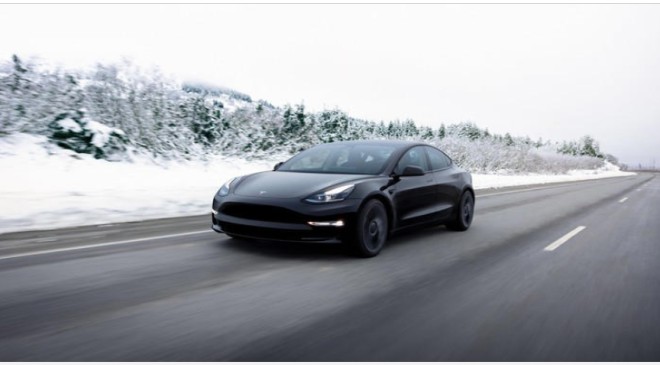
Tesla’s Full Self-Driving mode should soon be making its way Down Under.
Thom Drew, who heads up Tesla’s efforts in Australia and New Zealand, confirmed on LinkedIn that the electric automaker has been working with officials in the two countries and expects FSD to be released there soon.
Also Read :Abrupt resignation at Federal Reserve has big implications for Trump
“There are no regulatory blockers for release,” Drew wrote. “We are running through the final stages of validation prior to public release.”
Also Read :Elon Musk Amplifies Bizarre Claim That ‘Women Are Built To Be Traded’
As Not a Tesla App noted, this would mark the end of a yearslong effort to bring FSD to the countries.
Despite its name, Full Self-Driving still requires a human to be at the steering wheel, ready to take over in case any issues arise while the system handles steering, braking, and accelerating.
Along with Australia and New Zealand, Tesla is also currently testing FSD in Spain. So far, its FSD efforts have been a mixed bag, with some drivers reporting fantastic results, and others saying the feature has put people unnecessarily in danger.
French officials have also accused Tesla of using misleading advertising practices in regard to FSD — the latest speed bump during a year that has seen the company’s sales numbers drop drastically.
The company, for example, only sold 4,306 of its widely hyped Cybertrucks in the second quarter of 2025, Kelley Blue Book reported, for a year-over-year drop of more than 50%.
Each development introduced to electric vehicles, whether by Tesla or any other automaker, could increase the likelihood of people switching from gas-powered vehicles to EVs. Each time a driver makes that choice, they reduce the harmful carbon pollution created from driving while also choosing a vehicle that, on average, costs less to drive each year than a gas-powered equivalent.
Those savings can be increased by combining an EV with at-home solar energy. By installing solar panels, homeowners can charge their EVs with clean, low-cost energy that also reduces their reliance on the grid. EnergySage’s free tools can result in an even greater deal by allowing interested shoppers to compare quotes from local, verified installers, saving up to $10,000 in the process.