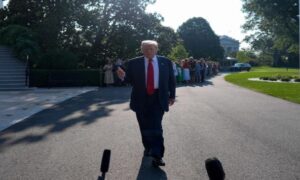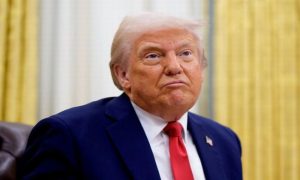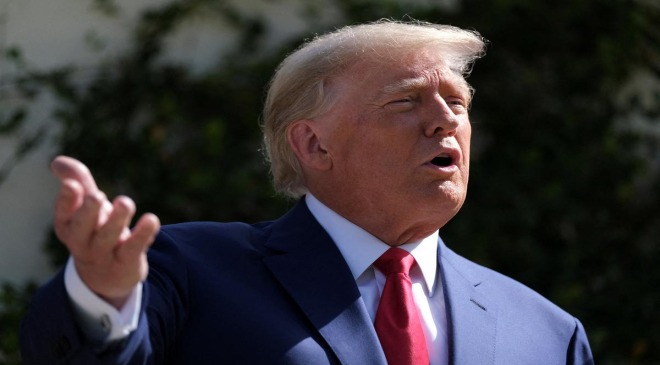
The Supreme Court has debated legal challenges to President Donald Trump’s executive order ending birthright citizenship for nearly all individuals born in the United States. District judges have issued nationwide injunctions against the order, deeming it likely unconstitutional. The court will soon decide on several significant cases that experts believe will have significant legal ramifications.
Read More:-Elon Musk says he will spend ‘a lot less’ on future campaign donations
Professor Jessica Levinson stated, “If you think about any area where there’s an executive order, if federal judges don’t have the ability to stop that order from being implemented nationwide, that could significantly change the legal landscape.”
The court is set to rule on state policies regarding gender-affirming care for minors, affecting transgender rights. Ongoing cultural conflicts and evolving interpretations of law concerning personal freedoms and governmental authority have emerged from these rulings.
Legal experts suggested that restricting judges’ powers to issue nationwide injunctions could redefine the balance between executive and judicial branches. Concerns center on a single judge’s ability to block presidential actions nationwide.
Read More:- Trump and His Family Earned Millions from Trump Coin While 810,000 Others Lost Money: Report
The Supreme Court has examined several religious rights disputes that could expand government funding for religious schools and affect unemployment tax responsibilities for religious organizations. The developments may allow parents to exempt their children from certain educational content.
Read More:- Tesla Cybertruck driver shares jaw-dropping fuel costs over just six months
Professor Michael Dorf said, “Certainly for the people who are involved in these cases, they see it as part of the same broader clash.”
During oral arguments, justices did not support the administration’s claim that the order aligns with the 14th Amendment’s citizenship clause.