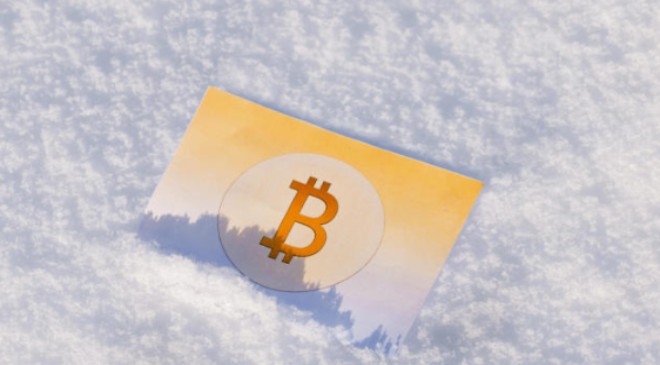
Bitcoin prices fell nearly 3% in October, following China’s elimination of $19 billion worth of jobs in the cryptocurrency industry, per Bloomberg. The move comes in response to threats of harsher tariffs from the United States.
Also Read:Trump rants at America’s beef producers after failed Argentine deal
The cryptocurrency drop is a direct result of tensions with China. In late October, U.S. President Donald Trump and Chinese President Xi Jinping reached an agreement on a number of trade matters, but right now, tariffs on Chinese imports still sit at 47%, per CNBC.
Also Read:Trump responds to claims he’s a Nazi
“The market now enters a consolidation phase, one defined by renewed caution, selective risk-taking, and a more measured rebuilding of confidence across both spot and derivatives markets,” said experts with the analytics firm Glassnode.
China has now banned all cryptocurrency transactions, ramping up enforcement of previous bans this year. The market reaction is similar to what happened when the ban was initially imposed in 2021. Bitcoin prices dropped by more than $2,000 at the time, per the BBC.
Also Read:Elon Musk makes bold claim about upcoming Tesla vehicle’s features: ‘We’re going to expand’
Cryptocurrency is a volatile industry, and it is only a good investment for someone who can withstand the financial loss of losing all money invested. Bitcoin, for example, had a value of $65,000 in late 2021 before dropping to $20,000 in 2023, then bouncing back to $123,000 by mid-2025, per Investopedia.
Also Read:Putin Stoops To A New Low By Training Pre-School Children For Military, UK Says
The cryptocurrency industry is also harming the planet. Global bitcoin mining consumes a massive amount of electricity, using more energy than the nation of Pakistan from 2020 to 2021, per a UN study. That produced a carbon output equivalent to burning 84 billion pounds of coal.
While cryptocurrency is an exciting new development in the financial world, it’s important to remember its impact on our planet, as well as the unpredictable nature of the market. Investors should proceed with caution if they want to preserve the world for future generations.