Tesla built its success on electric cars, but analysts say the future may look very different. Projections suggest most of Tesla’s earnings could soon come from autonomous robotaxis, not car sales. These vehicles would drive themselves, carrying passengers without human drivers. If realized, the shift could transform Tesla’s business model. Some forecasts predict that by 2029, as much as 86% of the company’s earnings could come from its robotaxi platform.
Also Read :Trump condemns ‘brutal’ beheading of motel manager killed in front of his family and vows justice
Tesla’s electric vehicle business is slowing down
Tesla delivered 1.79 million electric vehicles in 2024. That might sound impressive, but it was actually a 1% drop compared to the year before. This was the first annual decline since the company launched its flagship car in 2011.
Things became even tougher in 2025. In just the first half of the year, deliveries fell by 13%. This sharp drop caused Tesla’s revenue to shrink by 14%. Even worse, its earnings per share collapsed by 31%.
Also Read :Elon Musk’s 4 Tips for Success: Are They the Key to Getting Rich?
One reason for the slowdown is growing competition. Other carmakers, especially from China, are offering lower-cost electric vehicles that are winning over buyers. For example, one competitor saw sales jump by more than 200% across Europe in July, while Tesla’s sales there sank by 40%.
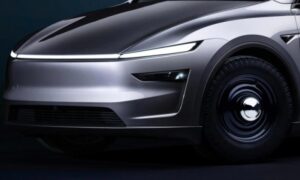
Tesla is working on a cheaper model to win back customers, but production has only just begun. That means it may take time before the new car has a real impact on sales.
Also Read :Inside President Trump’s luxurious car collection: From Cadillacs to Ferraris
The robotaxi dream
While Tesla faces pressure in the car market, it is betting big on something entirely new: autonomous ride-hailing. This business would use special vehicles called Cybercabs. These vehicles are designed to run on Tesla’s self-driving software, known as FSD, and operate without human drivers.
The idea is simple but powerful. Robotaxis could drive day and night, picking up passengers or even delivering small packages. Since there would be no drivers to pay, the costs of running the service would be much lower compared to traditional ride-hailing companies.
Also Read :Trump’s reaction to Russian drones in Poland raised concern in Europe – Reuters
Tesla plans to begin mass production of its Cybercab in 2026. However, there are still hurdles. Government regulators in the United States have not yet approved Tesla’s FSD software for unsupervised use. That means robotaxis cannot legally operate on their own without safety drivers for now.
There is also strong competition from established ride-hailing platforms. Companies in this industry already have hundreds of millions of monthly users and partnerships with many technology providers. Tesla will need to build its own network from scratch if it wants to compete.
Also Read :Tesla, Nvidia Lead Stocks To Watch With Market At Record Highs
Still, some investment firms believe Tesla can succeed. Their forecast suggests Tesla’s robotaxi platform could generate $756 billion in revenue by 2029, making up more than half of the company’s total. Thanks to higher profit margins, this new service could eventually account for 86% of Tesla’s overall earnings.
The numbers behind the bold prediction
To understand the scale of this prediction, it helps to look at Tesla’s current financial picture. Wall Street expects the company to bring in about $93 billion in revenue during 2025. That’s a big number, but it is nowhere near the $1.2 trillion in annual revenue that some analysts are forecasting for 2029.
For Tesla to hit that target, its business would need to grow by nearly 1,200% in just four years. Most of this growth would have to come from robotaxis, a service that hasn’t launched yet.
Also Read :Trump calls on all NATO countries to stop buying Russian oil, threatens 50% to 100% tariffs on China
Investors are also paying attention to Tesla’s stock price. Right now, Tesla trades at a price-to-earnings ratio of around 209. That is almost seven times higher than the average for major technology companies. At the same time, Tesla’s earnings are shrinking, which makes this valuation even harder to justify.
This high price reflects investors’ belief that Tesla will one day dominate the robotaxi market. But it also shows how much pressure the company faces to deliver on its promises. Over the past decade, Tesla has often said fully self-driving cars were just around the corner. Yet unsupervised driving is still not available to the public.
Even so, the possibility of robotaxis continues to excite investors. If Tesla can overcome regulatory barriers, scale up production, and compete with established ride-hailing platforms, the company’s earnings could indeed shift dramatically toward autonomous services. For now, though, Tesla still makes most of its money from selling electric vehicles, even as that side of the business faces serious challenges.