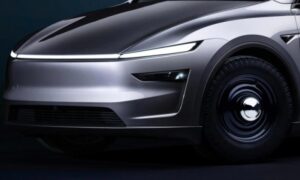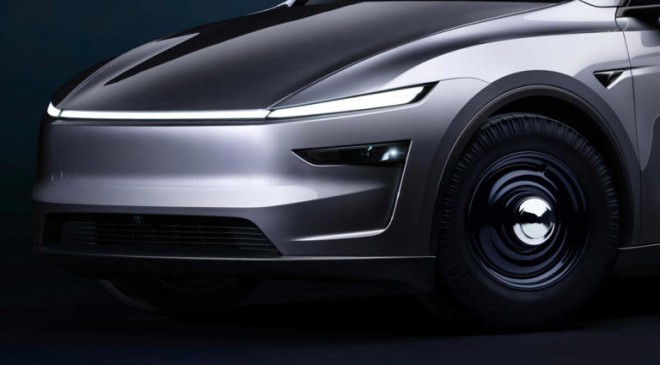
The 2025 Tesla Model Y has found itself at the center of controversy after receiving the lowest score in Germany’s TÜV reliability assessment, one of Europe’s most respected vehicle quality evaluations. According to a December 1st report by CleanTechnica, Germany’s independent testing organization Technischer Überwachungsverein (TÜV) ranked the Model Y as the least reliable electric vehicle assessed over the past decade in its 2026 reliability study—a blow to Tesla’s reputation for engineering excellence.
Also Read:-Vanguard finally dips a toe into crypto waters after bitcoin slump
The TÜV report, which included electric vehicles for the first time, evaluated 110 vehicle models between two and three years old. The findings were sobering for Tesla fans: while the Model Y landed dead last, the Model 3 wasn’t far ahead, placing third from the bottom with a 13.1% defect rate. For a brand often celebrated for innovation and performance, these figures raise serious questions about Tesla’s build quality and consistency, particularly in the European market.
Also Read:-Your daily horoscope: November 29, 2025 predictions
The study drew from 9.5 million vehicle inspections conducted across Germany between July 2024 and June 2025. TÜV clarified that mileage and maintenance history weren’t factored into the results, meaning the rankings reflect raw defect data. Even so, the scale of the testing offers one of the most comprehensive looks yet at EV reliability, and Tesla’s placement suggests its vehicles may not age as gracefully as many of its rivals.
Also Read:-Your daily horoscope: November 30, 2025 predictions
Interestingly, several other electric vehicles performed far better, proving that EV reliability is not inherently limited by technology. Models like the MINI Cooper SE (3.5% defect rate), Audi Q4 e-tron (4.0%), and Fiat 500e (4.2%) earned top marks. Even the affordable Dacia Spring outperformed both Tesla entries, demonstrating that solid reliability can come from brands across different price segments.
For Tesla, the TÜV results highlight a growing concern: as the EV market matures, customers are prioritizing dependability over novelty. While the company continues to lead in software, performance, and charging infrastructure, reliability remains a weak point it can no longer afford to overlook. The coming year will be crucial for Tesla to prove that its innovation-driven identity can coexist with the long-term durability and quality assurance today’s buyers expect.